
Emergency Appointments Available
What is the Difference Between Veneers and Whitening?
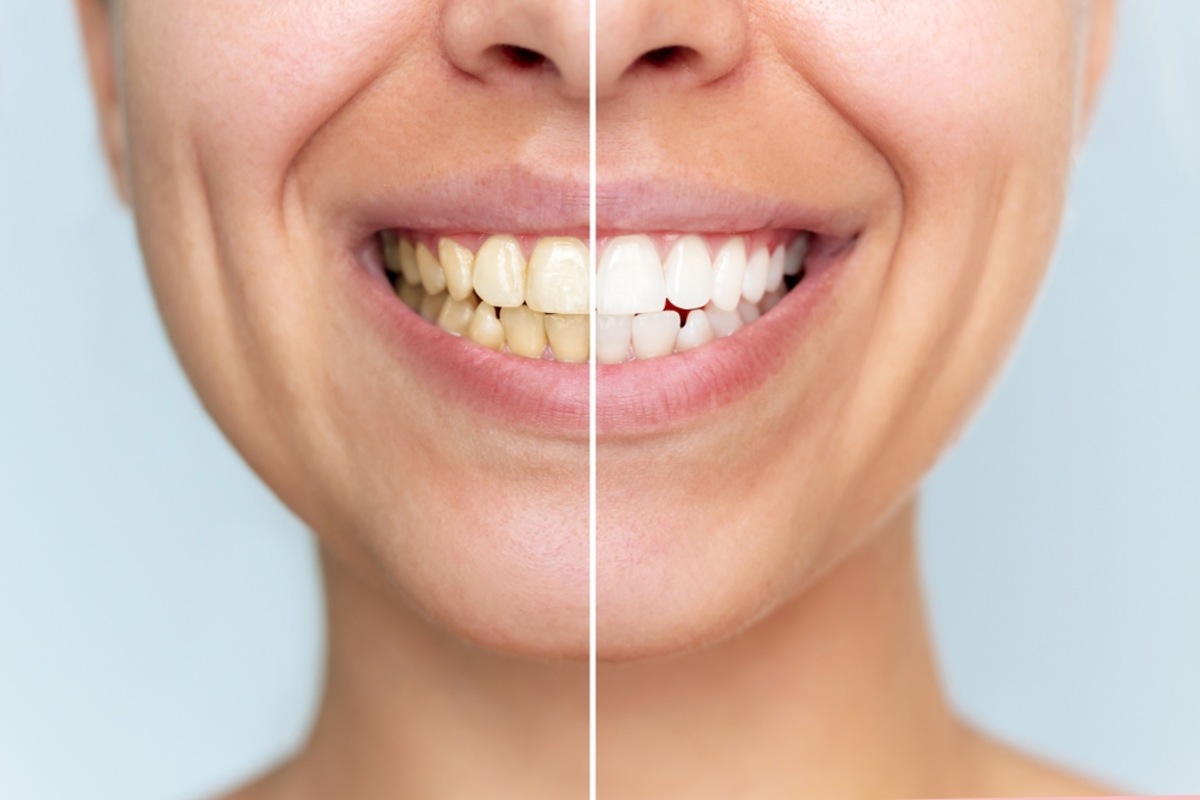
Are you unhappy with tooth stains, darker teeth, or minor changes in the shape of your smile and unsure which treatment to consider? If you are looking for a dentist in Woodbridge, learning how veneers and teeth whitening work can help you understand the difference between these cosmetic options. Teeth whitening is mainly used to brighten the natural colour of teeth and reduce certain types of staining, while veneers can alter the visible colour, shape, size, and overall appearance of selected teeth.
The most suitable choice depends on your dental health, the concern you want to address, and the type of smile change you hope to achieve.
What Does Teeth Whitening Do?
Teeth whitening is designed to lighten the colour of natural teeth and reduce certain types of discoloration. It may help with stains caused by coffee, tea, some foods, and tobacco use.
Whitening may be suitable when:
- Teeth are generally healthy.
- Discoloration is the main concern.
- Surface or certain deeper stains are present.
- The natural shape of the teeth is satisfactory.
- A brighter smile is the main goal.
Whitening does not change the size or shape of natural teeth.
What Are Dental Veneers?
Dental veneers are thin coverings placed over the front surface of selected teeth to change their appearance. They can be used to address more than tooth colour alone.
Veneers may help improve the appearance of:
- Chipped teeth
- Uneven tooth shapes
- Small spaces
- Mildly uneven teeth
- Certain types of discoloration
Veneers are planned individually because each tooth has its own shape, size, and position.
How Are Veneers Different From Whitening?
The biggest difference is what each treatment is designed to change. Whitening mainly targets tooth colour, while veneers can address several cosmetic features at the same time.
| Teeth Whitening | Dental Veneers |
| Changes the colour of natural teeth | Can change the colour, shape, and size of teeth |
| Works on natural tooth structure | Covers the front surface of selected teeth |
| Does not reshape teeth | Can improve the appearance of uneven tooth shapes |
| Best suited to certain types of stains | May help with some stains that do not respond well to whitening |
| Results vary based on stain type and daily habits | Results depend on the material, care, and individual needs |
Neither option is automatically better. The suitable treatment depends on the cosmetic concern being addressed.
When Is Whitening a Better Choice?
Whitening may be a good option when the teeth are healthy, and the main concern is that they look darker or stained. It can brighten the natural tooth colour without changing the shape of the teeth.
For example, whitening may be considered when:
- Coffee or tea has caused staining.
- Tooth colour has changed with age.
- Smoking has contributed to discoloration.
- The teeth have an otherwise even appearance.
A dental assessment by a dentist near you can help determine whether the stains are likely to respond to whitening.
When Might Veneers Be More Suitable?
Veneers may be considered when colour is only one part of the concern. They can also change the visible shape and appearance of teeth.
For example, veneers may be discussed when:
- A tooth is chipped
- Several teeth have uneven shapes.
- Small gaps affect the smile.
- Certain discoloration does not respond well to whitening.
- A more complete cosmetic change is desired.
Cosmetic dentistry in Woodbridge can include different treatment options, so an assessment is useful before choosing between whitening and veneers.
Which Treatment Lasts Longer?
Both treatments require appropriate care, but they work differently and have different maintenance needs. Whitening results can fade as teeth are exposed to foods, drinks, tobacco, and normal aging. Touch-up treatments may be needed over time.
Veneers can also experience wear or damage and may eventually need replacement. Their longevity depends on factors such as oral hygiene, biting habits, the material used, and the health of the supporting teeth.
Can Whitening and Veneers Be Used Together?
In some cases, whitening may be completed before veneers are placed. This can help establish the desired shade for the natural teeth before selecting a suitable veneer colour.
However, whitening does not change the colour of existing veneers. If veneers are already present, whitening the surrounding natural teeth may create a difference in shade. Treatment planning should therefore consider both the existing restorations and the desired final appearance.
Find the Right Cosmetic Treatment for Your Smile!
Are you trying to decide whether teeth whitening or veneers are better suited to your smile concerns? A detailed dental assessment can help identify the cause of discoloration or other cosmetic concerns, review the condition of your teeth, and explain which treatment may fit your needs. Understanding the expected benefits, care requirements, and limitations of each option can help you make a confident and informed decision.
Book an appointment with Pine Seven Dental Centre to discuss your smile goals and explore personalized cosmetic dental care options.
FAQs
Can whitening fix chipped or uneven teeth?
No. Teeth whitening only changes the colour of your teeth. It cannot fix chips or change their shape. Other cosmetic treatments may be better for these concerns.
Are veneers only used to make teeth whiter?
No. Veneers can change the appearance of tooth colour, shape, size, and certain minor cosmetic concerns. They are not simply a whitening treatment.
Can every type of tooth stain be removed with whitening?
No. Whitening works better on some types of stains than others. Certain deep or internal discoloration may respond poorly and may require another cosmetic option.
Is whitening less permanent than veneers?
Whitening results can fade over time and may require maintenance. Veneers are designed for longer-term cosmetic use but can also wear or need replacement.